Seattle’s Unique Moving Challenges—and Our Proven Solutions
Seattle looks straightforward on a map, then the move begins and the city shows its quirks. Hills that tilt furniture dollies at odd angles. Streets that pinch to one lane just as a delivery truck needs to pass. One way corridors that spit you blocks away from the place you meant to be. Elevators that shut their doors at 4 p.m., rain that sneaks in sideways, and a calendar full of game days, festivals, and cruise departures that change traffic patterns in a blink. If you have moved across Seattle even once, you know this isn’t a generic city move. It is a Pacific Northwest puzzle with thousands of small pieces, and experience is what keeps the pieces from sliding off the table.
The work gets easier when you understand the local patterns, the building rules that aren’t written down, and the sequences that turn a long day into a predictable one. The notes below come from years of hauling couches up Queen Anne and navigating loading zones in South Lake Union. They reflect what works and why, not just a list of boxes to check.
The weather isn’t just rain: it is moisture, wind, and timing
Rain gets the headlines, but Seattle’s weather challenges start with moisture that lingers. In fall and winter, damp air seeps into cardboard. If you load at 8 a.m. and unload at noon, the boxes that sat on concrete can start to wick water. We learned early to layer protection rather than trust a single shield. Shrink wrap works for upholstered furniture, but only if you wrap after a breathable pad, otherwise condensation can form underneath and leave a musty smell. On very wet days, we add a second runner along the path from truck to door and swap it halfway through the move, so muddy footprints don’t migrate into the new place.
Wind matters too, especially along the waterfront and on ridge tops like Capitol Hill. A strong gust can turn a mattress into a sail. We carry cargo control straps designed for tall pieces and use an underhand hold when walking downhill or into wind corridors on streets like Alaskan Way. Shorter, controlled steps keep weight centered, and a spotter calls pacing when a gust hits.
Timing is the last weather variable. Seattle’s summer peak means long, bright days, but it also means heat in unventilated stairwells and tight elevator schedules in newer high-rises that reserve mornings for deliveries. Overlapping loads to beat a storm front or shifting a start time by an hour can save shoulder strain and reduce the risk of slips. Weather apps tell part of the story, but after hundreds of moves we still check the building-facing side of the forecast first: is the loading dock covered, will wind funnel through the alley, how far is the carry in the rain.
Hills, alleys, and one-way streets rewrite the plan
Seattle’s relief comes from glacial carving and human improvisation. The slope up Queen Anne is not just steep, it is sustained. The blocks near Kerry Park demand gear that can handle long, continuous grades without overheating brakes or the crew. We run lighter loads on those climbs, add a third person for specific stair carries, and use brake rests on dollies that would be unnecessary on flat terrain. When a driveway pitches past a certain angle, we chalk the wheels and build a short ramp extension to reduce the breakover risk for low-clearance items.
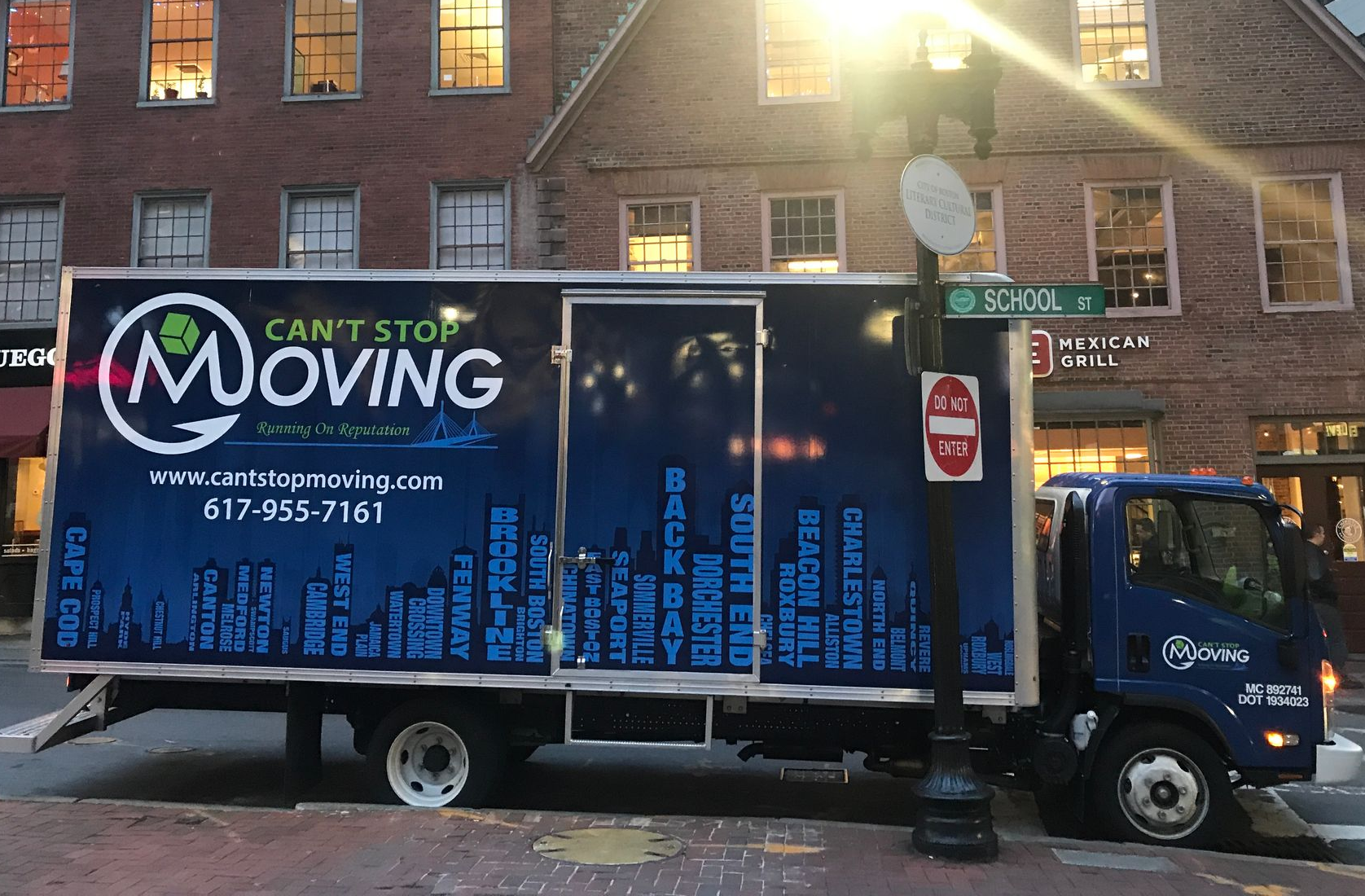
Alley access in Ballard and Fremont can be narrow with utility poles that sit exactly where a truck wants to pivot. The correct vehicle choice matters more than you might think. A shorter wheelbase 20-foot truck can save twenty minutes of back-and-forth compared to a 26-foot, even if it means an extra trip. That trade works when the carry distance is short and the alley unforgiving. In Capitol Hill’s one-way clusters, knowing which streets open to loading zones and which are ticket traps can keep a move on schedule. The surface-level rule is to read signs. The real rule is to check the block the day before if possible and ask the building manager where movers usually stage. There is almost always a spot that works, it just might sit half a block away or require a temporary permit.
Freight elevators, loading docks, and building rules that matter
Seattle’s vertical living brings elevator choreography. In South Lake Union and Belltown, property managers schedule freight elevators in two-hour windows. If you miss yours, you can wait until late afternoon when residential traffic drops. The fix is not simply to arrive early. It is to separate tasks: one crew member checks in, pads elevator walls, and secures the key while the rest unload. We stage by room to reduce time in the elevator and keep the lobby clear. An efficient rotation also saves the next tenant’s schedule, which keeps building managers willing to work with you on tight timelines.
Older buildings in Capitol Hill and the University District add another layer. Those charming stairwells can be narrow, with 90-degree turns that defeat a modern sectional. We have built temporary jigs to change the angle of carry for specific pieces and sometimes remove legs or base panels to sidestep a tight corner. The rule we use: if a piece clears by less than an inch on the way out, it probably needs partial disassembly to go into a similar vintage building. Protect the walls with corner guards, cover handrails, and carry extra blankets for plaster surfaces that can chip with a nudge.
Parking permits and the small print of Seattle regulations
Seattle issues temporary no-parking permits that reserve curb space for moving trucks. They are worth the effort when a front door sits on a busy arterial or when load zones are scarce. Lead time helps, but even with short notice, signs posted early in the morning can make a difference. Placement matters: signs need to sit at the right intervals with clear dates and times, and they have to match the actual space requirements of your truck. A set of two signs will not cover a full-size box truck with a ramp fully extended. We measure, then add a buffer for mirrors and swing, and we take photos of the posted signage and the parked truck, just in case a citation appears later.
On residential streets, cones without permits seldom hold space. You might get lucky, but in high-demand neighborhoods like Fremont on a Saturday, luck is a fragile plan. When a permit is not possible, we scout alternate positions and carry ramps long enough to bridge uneven curbs. It is not just about minimizing the walk, it is about controlling the route to avoid steps, planters, and steep cross slopes that tip dollies.
How Seattle events alter the calendar
Seahawks home games, Mariners day games, Sounders evenings, and Kraken nights all reshape downtown traffic. Pike Place Market events and weekend festivals in Capitol Hill and Ballard tighten the grid even more. Seattle also runs on a cruise ship season that loads Pier 66 and Pier 91 with taxis, shuttles, and luggage towers from May through September. Moves near the waterfront during those windows need an earlier start and a realistic travel buffer. We have rerouted across Mercer and up Dexter, then back down toward Belltown, just to clear the choke points. The sequence may look odd on a map, but those detours keep the day predictable.
For clients, the practical takeaway is simple: if you have flexibility, avoid big event start and end times. If you do not, book the freight elevator and loading dock early and notify the front desk that your truck will arrive during a busy window. A phone call on move day from the truck as it approaches can persuade a concierge to hold an elevator key five more minutes.
The art of moving furniture in wet stairwells
Seattle stairwells track moisture. Boot treads bring in grit that can scratch hardwood treads or tile. We place runners and non-slip mats, then double-check corner turns. A wet blanket on a corner is a hazard. We swap damp pads for dry ones rather than press on because rushing one turn has a cost. Sectionals and large dressers do not like indecision. Plan the pivot, count it out, and move in one steady motion. On exterior stairs, algae grows faster than you think in shaded spots. We test footing with a small step first and sometimes wipe down a path if we see the telltale green film.
Appliances, condos, and water shutoffs
Many Seattle condos require water shutoffs to disconnect or reconnect washing machines. The water heater may be in a hallway closet or a shared building room. Those details can stall a move if discovered late. We track which buildings require proof of licensed installers for appliances and which allow residents to handle them. If a shutoff window is set from 10 to 11 a.m., we stage the machine near the door beforehand, move everything else while maintenance is busy, then return to hook up within the window. Missing that hour can push the reinstall to the next day.
In high-rises, refrigerators often ride only in freight elevators, and some buildings ban them during peak residential hours. The workaround is to load or unload appliances at the start of the day and build the rest of the move around that constraint. It sounds inconvenient, yet honoring building rhythms prevents conflicts that invite stricter rules later.
Case notes from the hills: what works when pavement tilts
A recent Queen Anne move involved a three-story walk-up with a landing just wide enough for a dresser if turned at a diagonal. The driveway had a steep drop to the sidewalk, then a sudden rise at the curb. Rather than jam the ramp straight onto the curb, we set a short timber under the ramp foot to flatten the angle, then used a spotter at the base with a second strap on tall pieces. This slowed the pace by a minute or two per trip but prevented one bad slip that could have cracked a mirror or bruised a knuckle.
In West Seattle, where some streets still feel isolated because of bridge dynamics and detours, time-of-day selection outperforms brute force. Start early, clear the outbound lane before midmorning traffic builds, and return along Fauntleroy or 35th with a plan to avoid construction that tends to pop without much warning. Our notes on temporary closures, bus-only lanes, and neighborhood slow zones help us pivot when the GPS lags behind reality.
How Can't Stop Moving navigates the details that matter
Can't Stop Moving crews work with Seattle’s physical landscape every week, and patterns emerge. We assign a lead who knows the micro-rules of Queen Anne stairwells, Belltown loading docks, and Fremont alleys. A move plan begins with access: where does the truck sit, what is the elevator schedule, are there permits posted, what is the longest carry. That sequence is not glamorous, but it sets the pace of the day.
We also keep a library of building-specific notes that grows with each job. For example, a South Lake Union high-rise requires padded wall protection before any furniture enters, with a fine if the lobby sees so much as a scuff. Another building in Capitol Hill has a mailbox bank that crowds the lobby and leaves a narrow turn radius, so we stage everything at a side door instead. These notes save time on the second move, and we treat them like tradecraft. When a building manager sees a crew arrive with the right pads, corner guards, and a printed elevator reservation, they tend to offer help when issues arise.
The smart way to pack for a damp city
Packing is where moisture and movement meet. Seattle’s climate rewards sturdy boxes and sealed bins for items that do not like humidity: books, photos, and textiles. We tape seams twice on heavy cartons, not because boxes will dissolve in an afternoon, but because tape adhesion can weaken when it is damp. Dish packs get paper wrapped to serve as insulation, which helps if a box sits on a cool surface during loading.
Avoid placing cardboard directly on wet sidewalks or lobbies. We line staging areas with runners or use dollies as temporary shelves. For storage moves, desiccant packs in bins and a clear labeling system pay off. If a storage unit sits near the Ship Canal where humidity runs higher, we favor raised pallets or shelving to keep airflow under totes and boxes.
Protecting historic homes without slowing a move to a crawl
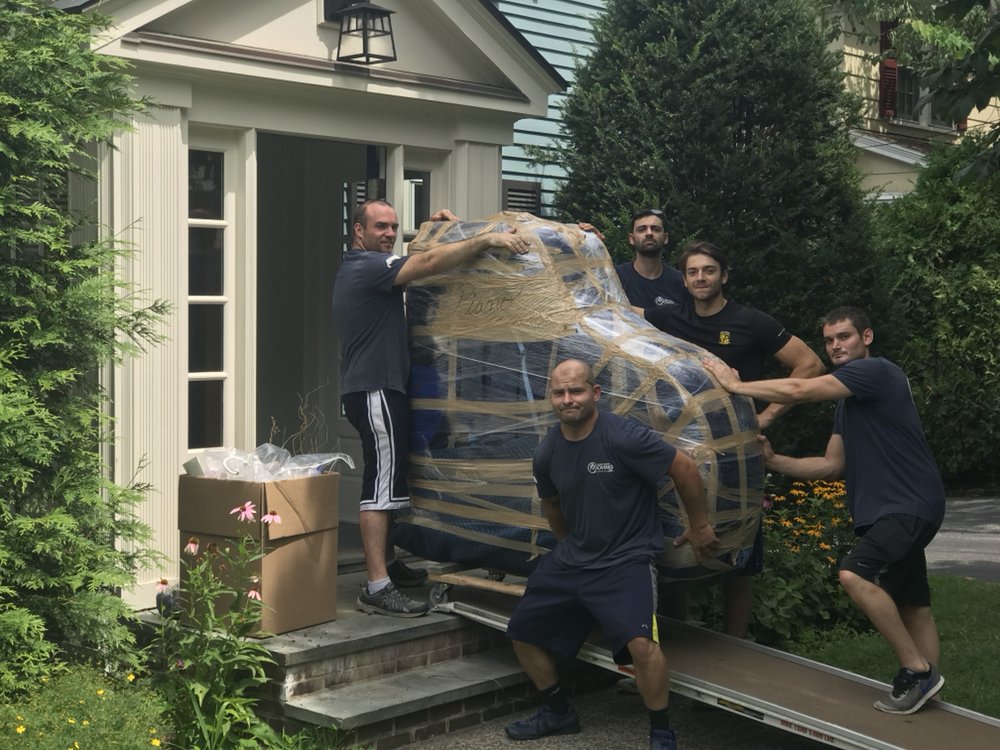
Seattle’s historic stock demands careful handling. Craftsman trim scratches easily. Plaster walls chip if you bump a long dresser while turning a corner. We mitigate with extra pads on doorways and quick visual surveys before each large piece moves. A few minutes to measure a tricky corner is faster than patching a gouge. Moving a piano from a 1920s home near Green Lake, we laid custom stair protection with non-slip surfaces, then assigned a spotter at each step with a clear call-and-response. That level of care aligns with homeowner expectations for older homes, and it shows respect for the house itself.
The realities of Seattle storage and staging
Sometimes keys do not exchange the same day. Seattle’s competitive real estate market means closings that slip by an hour or a day. Staging becomes essential. We separate items by access priority, so even if a portion needs temporary storage, the first-night essentials go straight to the new place. On tight timelines, we use short-term storage as a buffer and plan two smaller loads instead of one large one. In neighborhoods with narrow streets, staging at a storage facility close to both addresses can reduce time in traffic and ease the pressure on the final elevator window.
Commercial moves in tech and beyond
Office moves around South Lake Union, SODO, and Pioneer Square bring their own constraints. Building security schedules, loading dock caps, and IT cutovers require coordination. We break down desks and label bundles with floor, room, and orientation so that reinstalling goes quickly. For labs and medical practices, we follow chain-of-custody style documentation for sensitive equipment. In SODO’s industrial corridors, forklifts, pallet jacks, and dock plates enter the picture, and street access can tighten when trains roll through. Experience helps read those rhythms. If a train tends to block a crossing around lunchtime, we plan around it rather than gamble.
Safety practices that fit Seattle’s terrain
Carrying a couch downstairs is one thing. Carrying it down a narrow, wet stairwell is another. We adapt safety routines to local conditions. Wide, balanced grips reduce fatigue on long, steep flights. We call out every change in footing or angle. If someone loses traction, the command is to set the piece, not to catch it. Gloves with a textured grip suit wet conditions, and we keep extras. For truck loading on sloped streets, wheel chocks are non-negotiable. A truck that shifts an inch when a heavy item rolls onto the ramp is a hazard. We add a secondary block if the slope is severe.
How Can't Stop Moving solves narrow street access
In Magnolia, Ballard, and older parts of Capitol Hill, streets can narrow without warning. A full-size truck might make it down a block but have no space to turn. Can't Stop Moving uses a scout vehicle to check final approach when uncertainty exists, then chooses between backing in, staging at the nearest wider intersection, or swapping to a smaller truck for the last stretch. On some days, a shuttle saves an hour and prevents tension with neighbors who depend on those streets for daily life. Communicating with residents, leaving space for emergency vehicles, and keeping idling to a minimum earns goodwill that matters when a move runs longer than expected.
Seattle neighborhoods are not interchangeable
Queen Anne rewards early starts and strict elevator timing. Capitol Hill requires patience in alleys and respect for older building norms. Ballard’s weekend events draw crowds that complicate parking, while Fremont’s street grid tests even seasoned drivers. West Seattle ebbs and flows with bridge and detour news, and the U District swings with the academic calendar. Knowing those cycles lets you pick dates, start times, and routes that trade congestion for predictability.
A move from a South Lake Union apartment to a Ravenna bungalow might seem simple on paper. The reality: reserve an elevator, plan a midmorning loading dock exit to avoid construction convoys, then route east to avoid a Husky game window near Montlake. The difference between a good day and a long day often comes down to one choice made the week before.
The two documents that prevent most headaches
A confirmed elevator reservation and a temporary no-parking permit address most Seattle surprises. With those in hand, even a wet morning or a lane closure hurts less. Add to that a brief note from the building manager listing move hours, loading dock dimensions, and any quirks, and you have a move plan that fits the building, not just the street.
Here is a short pre-move checklist we have found reliable:
- Confirm freight elevator reservation windows and building move hours. Secure and post temporary no-parking permits with accurate dimensions and photos. Walk the access route and measure the tightest turn in both origin and destination. Check event calendars for stadiums, cruise terminals, and neighborhood festivals. Stage weather protection: extra runners, corner guards, breathable pads, and spare gloves.
Why local experience beats generic efficiency
Speed alone does not move a sofa through a 1910 stairwell without a scuff. Efficiency matters, but in Seattle it comes from anticipating local variables. The crew that knows a specific building’s pet policies, freight key procedures, and lobby sensitivities will finish faster than the crew that only knows how to carry quickly. We have learned to ask: where do packages pile up, which door alarms if propped, how sensitive are neighbors to noise in early hours. Soft skills save hard minutes.
Can't Stop Moving on timing, traffic, and arriving on schedule
Anyone can promise an early arrival. Delivering it in Seattle means reading the day. Can't Stop Moving plans routes with time-of-day traffic patterns and known bottlenecks in mind, then sets realistic staging windows. On a weekday, we might cross the Ship Canal via Fremont rather than Ballard to avoid construction patterns, or shift to I-5 for a stretch even when surface streets seem shorter. We update clients when a route change is the smart move, not an excuse. Consistency builds trust, and trust makes the hard parts of moving easier for everyone involved.
Special cases: houseboats, waterfront, and steep driveways
Lake Union houseboats and waterfront homes bring a unique checklist. Many docks have weight limits and narrow gangways that rule out standard dollies. We use hand carries with lighter loads and protect wood decking with mats that distribute weight. Moisture control escalates here. We double wrap items only after padding and avoid setting anything directly on decking. For steep driveways common in Magnolia and parts of Leschi, we sometimes stage at street level and shuttle with a smaller vehicle or hand-carry using rest points. For very steep grades, we pre-build cribbing to level the ramp and keep load angles reasonable.
When same-day moves make sense
Seattle’s rental turnover can create tight windows where keys change hands at noon and elevator access ends by four. Same-day moves are possible, but only if sequence and access line up. Start with the Cant stop moving Seattle movers destination’s elevator booking, then backfill the origin timeline. A common mistake is to prioritize the origin because it feels urgent. In this city, the elevator schedule decides the day. When both buildings cap move hours, splitting over two days with overnight storage can reduce risk and stress, even if it looks less efficient on paper.
A few truths about moving costs in Seattle
Costs rise with variables that slow access: long carries, stairs, lack of parking, elevator limits, and event-day traffic. Packing services and protection materials add value by preventing loss, but they also add time. The question to ask is not only how much the move costs, but how much it costs if something goes wrong. A damaged elevator wall, a scratched historic banister, or a ticket for blocking a bus lane can erase the savings from shaving an hour off the estimate. Accurate estimates come from site visits or detailed access photos and measurements, not from guesses about “typical” Seattle blocks.
How Can't Stop Moving adapts for Seattle’s rainy season
Moisture never takes a day off from October through April. Can't Stop Moving pads and wraps with breathability in mind, swaps out wet floor protection during the move, and uses ramp traction aids when algae or wet leaves turn a walkway slick. We keep extra towels on hand for quick wipe-downs of handrails and stair treads, and we secure mattress bags with tape that holds in damp conditions. Our teams pack electronics and books last on rainy days, then load them in a dry zone of the truck to minimize exposure. Small habits like these do more than any single tarp to keep belongings clean and dry.
The Seattle relocation timeline that actually works
A city that runs on permits, elevator schedules, and water shutoff windows needs a timeline that respects those steps. Two to four weeks out, reserve the freight elevator and apply for permits if curb space is tight. A week out, confirm with building management and walk the access routes. A few days out, check event calendars and construction notices for your corridors. The day before, set signs, stage boxes by room, and build a first-night kit. On move day, keep documents handy and communicate with the front desk before the truck arrives. Small confirmations remove large uncertainties.
For families moving across neighborhoods, a good approach is to build a child or pet plan that keeps them comfortable and safe. Seattle apartments can be loud on move day, and hallways can get crowded. If a friend is available for a few hours in a nearby park or cafe, everyone benefits. Those details may not sit on a checklist, yet they shape how the day feels.
Choosing the right scale of truck and crew
Seattle’s streets and buildings argue for right-sizing. A smaller truck reduces backing stress and fits alleys. A larger truck reduces trips but demands better parking. We judge by the narrowest point in the route, not by the size of the house. Crew size follows the hardest task, not the number of rooms. A third person on a heavy-stair move pays for itself by reducing fatigue and mistakes. For high-rises with long hallways, a packing-and-staging specialist can cut elevator time in half.
When moving across the region or out of state
Interstate moves from Seattle add another variable: mountain passes and seasonal weather. If your route crosses Snoqualmie, check chain requirements and closures. For winter departures, staging near the pass the night before makes no sense for household goods. Instead, we aim for earlier starts with a route plan that includes weather-safe alternatives. For summer heat, especially east of the mountains, plan water breaks for crews and avoid loading temperature-sensitive items during the hottest hours.
Can't Stop Moving and the rhythms of a growing city
Seattle grows and changes. New buildings, new rules, new traffic patterns. Can't Stop Moving updates its playbook with each job, and we stay in conversation with property managers, concierge teams, and neighborhood groups. That ongoing learning is the quiet engine behind smooth moves. It is one thing to know how to carry, pad, and load. It is another to know where to park at dawn in Belltown without blocking cyclists, which Fremont alley opens to a hidden loading bay, or how to time a South Lake Union move between lunch rushes.
The small edges that add up to a smoother Seattle move
A few details often make the biggest difference:
- Label boxes by room and priority. First-night boxes travel last onto the truck and first off. Keep a photo roll of cord setups behind TVs and computers. Reassembly goes faster. Share gate codes, elevator keys, and building contacts in one text thread the day before. Measure the narrowest doorway and the widest piece of furniture to avoid a last-minute surprise. Keep a spare set of moving pads and a roll of breathable tape for wet-day adjustments.
Seattle is a city that rewards preparation and flexibility. Moves here succeed when they match the grain of the place: respect for the weather, the hills, the neighbors, and the buildings. With the right plan and the right habits, even a third-floor walk-up on a rainy Tuesday can feel orderly. You learn to read the sky, the street, and the schedule, then make the small choices that keep the day moving. That is the difference between wrestling the city and working with it.
Can't Stop Moving 660 W Ewing St, Seattle, WA 98119 +1 (425) 655 1544 https://www.cantstopmoving.com/ Can’t Stop Moving—a locally owned company focused on reliability, affordability, and treating people right. Our reputation has been built on reliability, and as we expand, we remain committed to delivering the same level of service that has made us a trusted name in moving.